Introduction
Smart home renovation represents the convergence of traditional remodeling with cutting-edge technology, creating living spaces that adapt, learn, and respond to your needs. As we navigate through 2026, homeowners are increasingly integrating intelligent systems during renovation projects, transforming ordinary houses into connected, efficient, and comfortable smart environments.
This comprehensive guide matters because smart home renovation isn’t just about adding gadgets—it’s about fundamentally reimagining how your home operates. Whether you’re a homeowner planning a major renovation, a contractor looking to expand your services, or a designer seeking to incorporate the latest technologies, understanding these systems is crucial for creating future-ready homes.
You’ll learn about essential smart home infrastructure, key technology categories, integration strategies, and practical implementation approaches that ensure your renovation project delivers both immediate benefits and long-term value. We’ll explore everything from foundational wiring requirements to advanced automation systems, helping you make informed decisions that align with your lifestyle and budget.
Essential Smart Home Renovation Infrastructure
Network Foundation and Connectivity
The backbone of any successful smart home renovation begins with robust network infrastructure. Modern smart homes require significantly more bandwidth and connectivity points than traditional residences, making network planning a critical first step.
Structured cabling systems should include Cat 6A or Cat 7 ethernet cables to support speeds up to 10 Gbps, ensuring your network can handle multiple 4K streams, video calls, and smart device communications simultaneously. Plan for ethernet drops in every room, including locations you might not immediately consider smart-device ready, such as bathrooms, pantries, and outdoor spaces.
Wi-Fi 7 mesh systems have become the standard for comprehensive coverage, offering speeds up to 40 Gbps and supporting hundreds of connected devices. During renovation, install dedicated electrical circuits for mesh nodes and consider conduit pathways for future cable upgrades.
Power over Ethernet (PoE) capabilities should be integrated into your network design, allowing devices like security cameras, access points, and smart displays to receive both data and power through a single cable. This reduces installation complexity and provides centralized power management.
Electrical System Upgrades
Smart home renovation demands electrical systems capable of supporting increased loads and providing clean, stable power to sensitive electronic devices. Modern smart homes typically require 200-amp service panels as a minimum, with many installations benefiting from 400-amp capacity to accommodate electric vehicle charging, backup batteries, and high-power smart appliances.
Smart electrical panels with individual circuit monitoring have revolutionized home energy management. These systems provide real-time consumption data, identify energy waste, and can automatically shed non-essential loads during peak demand periods. Integration with time-of-use utility rates can generate significant cost savings over time.
Dedicated circuits for smart home hubs, network equipment, and critical devices ensure stable operation and prevent interference from high-draw appliances. Consider installing whole-home surge protection and uninterruptible power supplies (UPS) for essential systems.
Core Smart Home Renovation Technologies
Lighting and Electrical Control Systems
Smart lighting has evolved far beyond simple dimming capabilities. Today’s systems integrate circadian rhythm support, occupancy detection, and scene-based automation that adapts throughout the day. Professional-grade systems like Lutron RadioRA 3 or Control4 offer reliability and integration capabilities that consumer products cannot match.
Tunable white LED systems adjust color temperature from warm (2700K) to cool (6500K) automatically, supporting natural sleep cycles and productivity. Combined with daylight harvesting sensors, these systems maintain consistent light levels while minimizing energy consumption.
Smart switches and outlets should be specified during the electrical rough-in phase, as many require neutral wires that older homes lack. Plan switch locations carefully, considering both traditional wall mounting and newer technologies like wireless switch options that can be placed anywhere.
Climate Control and HVAC Integration
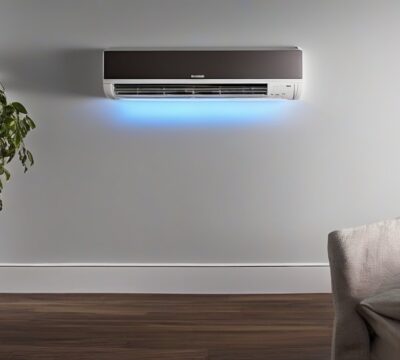
Smart HVAC systems represent one of the most impactful smart home renovation investments, typically reducing energy consumption by 15-25% while improving comfort. Modern systems integrate multiple zones, outdoor air quality monitoring, and predictive maintenance capabilities.
Variable refrigerant flow (VRF) systems with smart controls provide precise temperature management for individual rooms while maintaining overall system efficiency. These systems learn occupancy patterns and adjust heating and cooling proactively, eliminating temperature swings and reducing energy waste.
Air quality monitoring has become increasingly important, with systems tracking particulates, volatile organic compounds (VOCs), humidity, and CO2 levels. Integration with ventilation systems and air purifiers creates automatic responses to changing conditions.
Smart thermostats now include features like geofencing, which adjusts temperature based on family members’ locations, and load management integration that coordinates with utility demand response programs.
Security and Access Control
Modern security systems integrate multiple technologies into comprehensive protection platforms. Professional installations typically combine traditional sensors with AI-powered cameras, smart locks, and environmental monitoring.
Video surveillance systems now feature edge-based AI processing that can distinguish between family members, visitors, and potential threats without requiring cloud connectivity. Local storage options address privacy concerns while providing reliable recording capabilities.
Access control systems have expanded beyond smart locks to include biometric readers, proximity cards, and smartphone-based solutions. Integration with other smart home systems enables automatic lighting, climate, and security adjustments based on who enters the home.
Professional monitoring services now offer hybrid approaches that combine traditional monitoring centers with AI-powered local processing, reducing false alarms while maintaining rapid emergency response.
Advanced Integration and Automation Strategies
Home Automation Platforms
Choosing the right automation platform during smart home renovation is crucial for long-term satisfaction and system expandability. Professional platforms like Control4, Crestron, and Savant offer superior integration capabilities but require certified installers and higher initial investment.
Protocol selection impacts both immediate functionality and future expansion options. Systems supporting multiple protocols (Zigbee, Z-Wave, Wi-Fi, Thread/Matter) provide maximum flexibility and device choice. The emerging Matter standard promises improved interoperability, but implementation remains inconsistent across manufacturers.
Scene-based automation creates intuitive control by grouping related devices and settings. “Good Morning” scenes might gradually increase lighting, adjust thermostats, start coffee makers, and provide weather updates. “Away” scenes secure the home, adjust climate settings, and activate monitoring systems.
Voice and Touch Interfaces
Multi-modal control interfaces provide intuitive interaction with smart home systems. Wall-mounted touchscreens in central locations offer visual system status and control, while voice assistants handle routine commands and queries.
Privacy-focused voice solutions process commands locally rather than sending audio to cloud servers. These systems maintain functionality during internet outages while addressing growing privacy concerns about always-listening devices.
Mobile applications serve as primary interfaces for most users, requiring careful attention to user experience design. Professional systems often include custom app development to match specific family needs and preferences.
Practical Applications and Implementation
Planning Your Smart Home Renovation Project
Successful smart home renovation begins with comprehensive planning that considers both immediate needs and future expansion possibilities. Start by documenting your family’s daily routines, identifying pain points that technology can address, and establishing budget priorities.
Phase your installation to align with renovation timelines. Rough-in work including wiring, conduit installation, and speaker wire placement must occur before drywall installation. Finish work like device installation and programming happens after painting and flooring completion.
Create detailed floor plans showing device locations, wire runs, and control interfaces. This documentation proves invaluable during installation and future maintenance or upgrades.
Working with Professionals
Smart home renovation requires coordination between multiple trades and specialists. Establish clear communication channels between electricians, network technicians, HVAC contractors, and smart home integrators to prevent conflicts and ensure proper installation.
Certified installers offer expertise in system design, programming, and troubleshooting that DIY approaches cannot match for complex installations. Their involvement also typically includes warranties and ongoing support that protect your investment.
Request detailed documentation including network diagrams, device locations, programming logic, and maintenance procedures. This information proves essential for future service calls and system modifications.
Testing and Commissioning
Thorough system testing prevents post-installation frustrations and ensures all components work together properly. Test each device individually before programming automation sequences, and verify network connectivity throughout the home.
User training is often overlooked but critical for system adoption. Schedule dedicated time to learn primary controls, troubleshoot common issues, and understand maintenance requirements.
Establish regular maintenance schedules including software updates, battery replacements, and performance monitoring. Many issues can be prevented through proactive maintenance rather than reactive repairs.
Frequently Asked Questions
How much should I budget for smart home renovation technologies?
Smart home renovation costs vary significantly based on scope and component quality. Basic systems start around $5,000-10,000 for essential lighting, climate, and security features. Comprehensive installations with professional-grade components typically range from $20,000-50,000. Premium systems with advanced automation and custom integration can exceed $100,000. Plan to allocate 10-20% of your total renovation budget to smart home technologies.
Should I install smart home systems during new construction or wait until after moving in?
Integration during construction or major renovation provides the best results and lowest costs. Rough-in work like wiring and conduit installation is much easier and less expensive before walls are finished. However, some homeowners prefer to live in the space first to understand their needs better. A hybrid approach involves installing infrastructure during construction and adding devices based on actual usage patterns.
Will smart home technologies become obsolete quickly?
While specific devices may become outdated, properly designed infrastructure remains valuable for decades. Focus on systems with open protocols, regular software updates, and strong manufacturer support. Professional-grade platforms typically maintain backward compatibility and upgrade paths that protect your investment. Avoid proprietary systems from small companies with uncertain long-term viability.
How do smart home systems affect home insurance and resale value?
Many insurance companies offer discounts for professionally monitored security systems, smart smoke detectors, and water leak sensors. Some smart features like automated lighting and security systems can increase home value, particularly in high-end markets. However, overly complex or proprietary systems may actually reduce appeal to potential buyers who prefer simpler, more standard technologies.
Can I install smart home systems myself or do I need professional help?
Simple device installation like smart switches and thermostats can often be DIY projects for handy homeowners. However, comprehensive systems involving multiple protocols, automation programming, and integration between different manufacturers typically require professional expertise. Electrical work and low-voltage wiring should always meet local code requirements, often necessitating licensed contractors.
How do I ensure my smart home system remains secure from cyber threats?
Smart home security requires multiple layers including network segmentation, regular software updates, strong authentication, and monitoring for unusual activity. Use dedicated IoT networks separate from your main internet connection, change default passwords on all devices, and keep firmware updated. Professional systems often include security monitoring and automatic updates that reduce vulnerability risks.
What happens to smart home systems during power outages?
System behavior during outages depends on backup power provisions and device design. Essential systems like security panels and network equipment should have battery backup lasting several hours. Some smart devices remember settings and restore automatically when power returns, while others may require manual reconfiguration. Consider whole-home generators or battery backup systems for comprehensive protection.
Conclusion
Smart home renovation technologies offer unprecedented opportunities to create more comfortable, efficient, and secure living environments. Success requires careful planning, quality infrastructure, and integration strategies that consider both immediate needs and future expansion possibilities.
The key takeaways for your smart home renovation project include investing in robust network and electrical infrastructure, choosing systems with open protocols and strong manufacturer support, and working with certified professionals for complex installations. Remember that the best smart home system is one that seamlessly integrates into your daily life without requiring constant attention or maintenance.
As you embark on your smart home renovation journey, prioritize reliability and user experience over flashy features. Focus on solving real problems and improving daily routines rather than simply adding technology for its own sake. With thoughtful planning and proper implementation, your smart home renovation will provide benefits for years to come while adapting to changing needs and advancing technologies.