Introduction
A home renovation budget doesn’t have to break the bank to create meaningful transformation. Whether you’re working with $500 or $50,000, strategic planning and smart spending can deliver remarkable results that enhance both your living space and property value.
Homeowners at every income level deserve to enjoy a beautiful, functional living space. The key lies in understanding which improvements offer the highest impact for your specific budget range, prioritizing projects that matter most to your lifestyle, and knowing when to DIY versus hiring professionals.
This comprehensive guide will walk you through proven renovation strategies across three distinct budget tiers, helping you maximize every dollar spent while avoiding common pitfalls that drain resources without adding value. You’ll discover specific project ideas, cost-saving techniques, and expert insights that turn modest investments into stunning transformations.
Low-Budget Transformations: $500-$2,500
Small budgets require strategic thinking, but they can still produce dramatic results. The secret lies in focusing on high-impact, low-cost changes that address visual appeal and functionality simultaneously.
Paint: Your Most Powerful Tool
Fresh paint delivers the highest return on investment of any home improvement. A single gallon of quality paint costs $40-60 and covers approximately 400 square feet. This means you can transform an average bedroom for under $150 in materials.
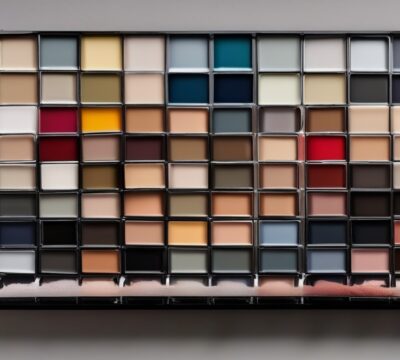
Focus on accent walls to create visual interest without the expense of painting entire rooms. Deep, rich colors like navy blue or forest green can make spaces feel more sophisticated, while lighter shades expand the perceived size of smaller areas.
Hardware and Fixture Updates
Replacing cabinet hardware, light switch covers, and outlet plates creates an instant modern look for minimal investment. Budget $3-15 per cabinet handle and $10-40 per light fixture for significant visual impact.
Brushed gold and matte black finishes remain popular choices that work across various design styles. Consistency matters more than expensive materials – matching hardware throughout connected spaces creates a cohesive, intentional appearance.
Strategic Lighting Improvements
Lighting dramatically affects how spaces feel and function. Replace builder-grade fixtures with stylish alternatives from discount retailers, or update existing fixtures with new shades or bulbs.
LED bulbs with adjustable color temperature allow you to customize ambiance throughout the day. Warm light (2700K-3000K) creates cozy evening atmospheres, while cooler light (4000K-5000K) energizes workspaces.
Mid-Range Renovations: $2,500-$15,000
Mid-range home renovation budget projects allow for more substantial changes that combine cosmetic updates with functional improvements. This tier opens opportunities for minor structural modifications and higher-quality materials.
Kitchen Updates Without Full Replacement
Rather than replacing entire cabinet systems, focus on refinishing existing cabinets and upgrading countertops. Cabinet painting costs $1,200-3,500 professionally, while new cabinet installation runs $15,000-25,000.
Butcher block countertops provide warmth and character at $30-70 per square foot installed, compared to $50-100 for quartz or granite. Add a tile backsplash for $8-15 per square foot to create visual interest and protect walls.
Bathroom Refresh Projects
Bathroom updates in this price range might include new vanities, mirrors, and tile work. A quality vanity with countertop costs $800-2,500, while professional tile installation runs $10-20 per square foot.
Consider luxury vinyl tile (LVT) for flooring – it’s waterproof, comfortable underfoot, and available in realistic wood and stone patterns. Installation costs $3-7 per square foot, significantly less than ceramic tile.
Flooring Transformations
New flooring transforms entire spaces and provides long-term value. Luxury vinyl plank flooring offers durability and style at $2-8 per square foot, while engineered hardwood costs $6-12 per square foot.
Many homeowners can handle LVP installation as a DIY project, potentially saving $2-4 per square foot in labor costs. Professional installation ensures warranty protection and perfect results for complex layouts.
High-Impact Renovations: $15,000+
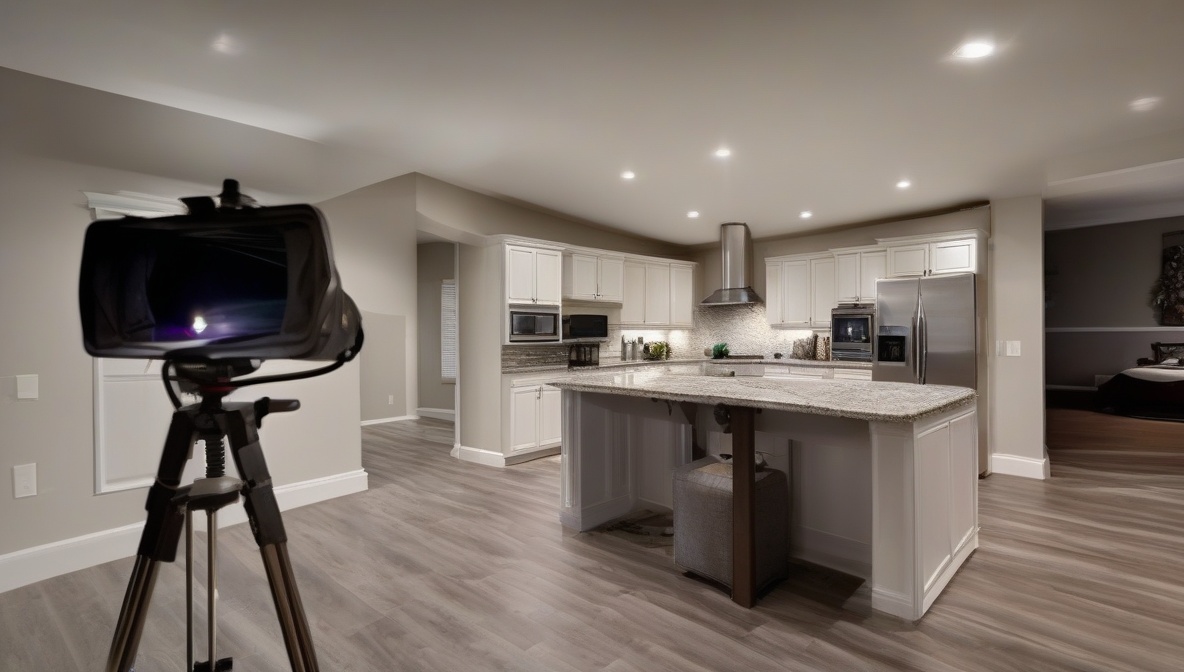
Larger home renovation budget allocations enable comprehensive room makeovers and structural modifications that significantly improve functionality and property value. These projects often require professional contractors and proper permits.
Kitchen Remodeling Strategies
Full kitchen renovations average $25,000-50,000 but can vary dramatically based on size, materials, and structural changes. Focus spending on elements you interact with daily – countertops, cabinet hardware, and appliances.
Consider keeping existing cabinet boxes while replacing doors and drawer fronts. This approach saves 30-50% compared to complete replacement while achieving a fresh, updated appearance. Invest in quality hinges and drawer slides for smooth, long-lasting operation.
Bathroom Renovations
Master bathroom remodels typically cost $18,000-35,000, while guest bathrooms range from $10,000-20,000. Prioritize functional improvements like better storage, improved lighting, and water-efficient fixtures.
Walk-in showers with multiple spray heads and built-in seating create spa-like experiences that enhance daily routines. Heated floors provide luxury comfort and help prevent moisture issues in colder climates.
Structural and Systems Upgrades
Major renovations often reveal opportunities to improve electrical, plumbing, or HVAC systems. While these upgrades aren’t visually exciting, they provide long-term value and prevent future problems.
Smart home integration during renovations costs less than retrofitting later. Consider built-in speakers, automated lighting controls, and pre-wiring for security systems while walls are open.
Practical Applications
Planning Your Home Renovation Budget
Start by listing all desired improvements and researching realistic costs. Add 20-30% contingency funding for unexpected discoveries or scope changes. Most projects encounter some surprises that require additional investment.
Prioritize projects that improve daily life first, followed by those that add resale value. A functional, comfortable home benefits your family immediately, while purely cosmetic changes primarily help during eventual sale.
DIY vs. Professional Installation
Evaluate your skills honestly and consider the true cost of mistakes. Simple projects like painting, hardware replacement, and basic tile work suit motivated DIYers. Electrical, plumbing, and structural work require professional expertise.
Factor in tool costs when calculating DIY savings. Renting specialized tools often makes more sense than purchasing for one-time use. Many home improvement stores offer tool rental programs with daily and weekly rates.
Material Selection Strategies
Research materials thoroughly before purchasing. Read reviews, visit showrooms, and request samples when possible. Higher upfront costs often provide better long-term value through durability and reduced maintenance requirements.
Consider timing purchases around sales events. Many retailers offer significant discounts during spring and fall seasons when contractors stock up for busy periods.
Maximizing Impact on Every Budget
Focus on elements that create the strongest visual impression first. Clean, updated spaces feel more valuable than those with expensive materials but poor maintenance or outdated styling.
Consistency matters more than luxury. Cohesive color schemes, matching hardware, and unified design themes create sophisticated appearances regardless of budget constraints.
References
- National Association of Home Builders – Construction Cost Data
- Remodeling Magazine – Cost vs. Value Report
- National Kitchen & Bath Association – Design Guidelines
Frequently Asked Questions
How much should I budget for unexpected renovation costs?
Plan for 20-30% above your estimated costs for contingencies. Older homes often require additional work once walls are opened, and material price fluctuations can impact budgets. This cushion prevents project delays and compromised quality when surprises arise.
What home improvements provide the best return on investment?
Kitchen and bathroom updates typically offer the highest returns, recovering 60-80% of costs at resale. However, focus on improvements that enhance your daily life first, as you’ll benefit from these changes immediately rather than only upon selling.
Should I complete all renovations at once or phase them over time?
Phasing allows you to live in your home during improvements and spread costs over time. However, bundling related projects often reduces labor costs and minimizes disruption. Consider completing all plumbing or electrical work simultaneously to avoid repeated wall opening.
How do I find reliable contractors within my home renovation budget?
Request multiple quotes and check references carefully. Licensed contractors may cost more upfront but provide warranty protection and proper permits. Avoid contractors who demand full payment upfront or offer prices significantly below market rates.
What renovations should I avoid if I plan to sell soon?
Avoid highly personalized improvements like bold paint colors, unusual fixtures, or layout changes that reduce bedroom or bathroom counts. Focus on neutral updates that appeal to broad audiences and address obvious maintenance issues.
How can I save money on materials without compromising quality?
Shop discount retailers for basic items like paint and hardware, but invest in quality for frequently-used elements like faucets and cabinet hardware. Consider slightly imperfect or discontinued items from specialty suppliers for significant savings on premium materials.
What permits do I need for common renovation projects?
Most cosmetic updates don’t require permits, but electrical, plumbing, and structural changes typically do. Check with your local building department before starting work. Unpermitted work can create problems during home sales and insurance claims.
Conclusion
Successful home renovations aren’t about spending the most money – they’re about spending wisely to create meaningful improvements that enhance your daily life. Whether working with a modest home renovation budget or planning extensive remodeling, strategic thinking and careful prioritization deliver remarkable results.
Remember that the best renovations solve real problems while improving aesthetics. Focus on projects that address your family’s specific needs first, then add visual improvements that reflect your personal style. With proper planning and realistic expectations, any budget can create positive transformation that makes your house feel more like home.